
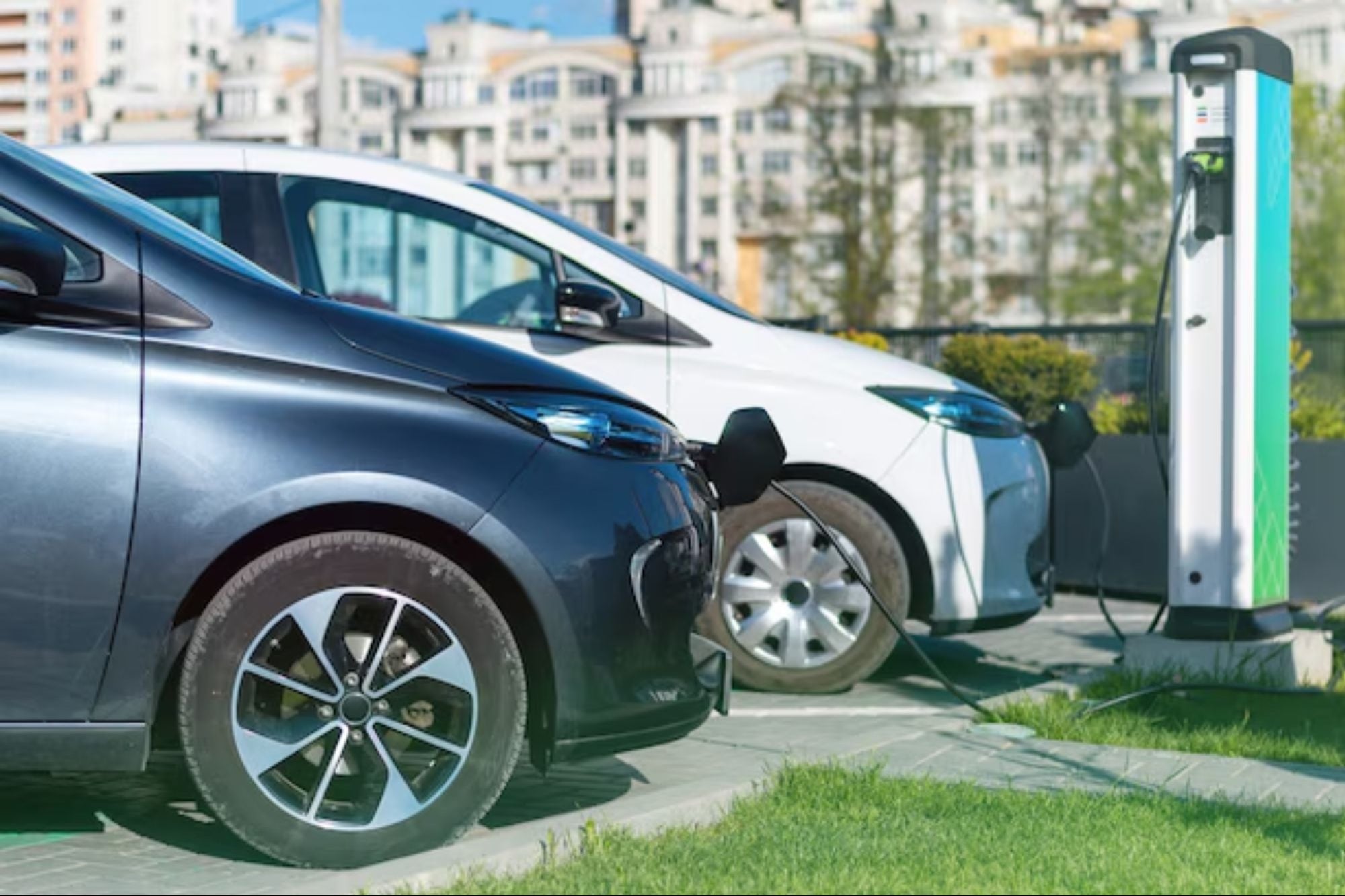
The market for four-wheel electric vehicles (EVs) in India continues to develop. Although general trust in owning an EV is increasing, the resale values have not caught up with those of Internal Combustion Engine (ICE) vehicles yet. These personal electric four-wheelers haven’t completed their initial five-year ownership period entirely. At present, these e4W models experience greater depreciation compared to conventional cars because of worries regarding battery longevity, software upgrades, absence of standard appraisal techniques, and high replacement expenses.
"Mainstream buyers have been hesitant to purchase an electric vehicle for several reasons, with resale value being one of them," according to Shailesh Chandra, MD of Tata Motors Passenger Vehicles Limited.
In the B2B sector, fleet aggregators are anticipated to buy their inaugural batch of vehicles which will likely complete their primary lifecycle within the coming one-to-two years. According to Rohan Rao, a partner specializing in Industrials and Automotive at KPMG India, “While selling these cars after completing the first round of battery usage could result in a resale value equivalent to about 25-30% of the initial cost, this scenario seems unlikely. We predict instead that the aggregators would opt for replacing the batteries, thereby extending each vehicle’s operational lifetime by another three-to-four years, leading to an overall service span of approximately seven-to-eight years.”
Mainly, a battery replacement for these vehicles is anticipated in 2027, with an increase in the sales of second-hand electric cars likely starting around 2030. Rao also mentioned, “We don’t attribute much worth to the automobiles when they’re resold, estimating their value to be between 10% to 15% of their initial cost.”
The electric four-wheel (e4W) market remains in its early stages, representing just 2-2.5 percent of yearly domestic four-wheel (4W) vehicle sales. As of FY23, the cumulative number of these vehicles reaches around 250,000 units, which contrasts sharply with the roughly 11-12 million internal combustion engine (ICE) four-wheeler vehicles during the same timeframe.
"The increasing acceptance of electric vehicles among Indians is notable, particularly as a secondary mode of transport. Although general trust in owning an EV is growing, the resale values have not caught up with those of internal combustion engine (ICE) vehicles yet. The uncertainty surrounding resale prices stems from worries about battery durability, outdated software, and fluctuating appraisal standards. Nonetheless, the used EV market is showing signs of improvement thanks to longer battery warranties; most original equipment manufacturers (OEMs) currently provide coverage for at least half a decade, which enhances buyer assurance," stated Amit Lakhotia, who founded and leads Park+.
Furthermore, with an increasing number of electric vehicles entering the used car market and technological advancements continuing, resale values should become more stable.
"Following one or two years, the lifespan of an electric vehicle isn’t over; instead, it will continue for a long time. Once individuals grasp this fact, I believe the second-hand market value for EVs will become more robust," stated Jyoti Malhotra, Managing Director at Volvo Cars India.
Current challenges
In contrast to conventional ICE vehicles, which have established methods for determining their worth, there isn’t a set way to appraise electric four-wheelers (e4Ws). Several elements like the condition of the battery, number of charge cycles completed, and recent tech improvements all play roles in influencing how much an e4W might sell for when resold. This makes setting a reasonable purchase price tricky for both prospective purchasers and vendors alike. Battery longevity and current state are particularly vital aspects. "Prospective buyers could hesitate buying second-hand e4Ws because they're uncertain regarding the status of the batteries and also worried about the steep expense involved with replacing them,” noted Rao from KPMG, India.
According to a recent study conducted by Park+ Research Labs, 24% of electric vehicle (EV) owners encounter difficulties due to limited access to charging stations, 23% worry about the driving range, and 71% believe that the absence of dedicated EV communities affects their overall experience as EV owners. Nonetheless, 74% intend to continue using EVs despite being concerned about potential resell issues. Advancements such as solid-state batteries, interchangeable components, and over-the-air software upgrades could aid in maintaining stable resale prices. Establishing certified battery condition assessments, akin to how odometer readings are used for internal combustion engine vehicles, would play an essential role in establishing standardized valuation methods.
Can innovation boost confidence?
Could advancements in technology for electric cars enhance their resale value positively? PMSMs, or Permanent Magnet Synchronous Motors, represent a form of brushless motor recognized for their superior efficiency and torque output. These motors find use in various fields such as electric vehicles and industrial robotics. In the domain of 4-wheel drive EVs, PMSM technology leads the way. Although Original Equipment Manufacturers (OEMs) are exploring alternative magnet-less technologies, practical implementation remains limited at this stage.
The Lithium Iron Phosphate (LFP) battery tech utilized by majority of e4W Original Equipment Manufacturers (OEMs) is particularly well-suited for India’s climate. Rao mentioned, “Future advancements in battery tech might lead to higher energy densities or even switch to alternate chemistries like sodium-ion batteries. This shift could decrease battery pack weights, shorten charging durations, and ease concerns over driving ranges.”
Lakhotia from Park+ stated that enhanced durability and performance will increase buyers' trust when reselling electric vehicles. The availability of modular batteries that can be quickly swapped out or upgraded will minimize long-term devaluation. Additionally, over-the-air updates and continuous software enhancements will ensure that older electric cars remain competitive against new ones. Moreover, official battery condition reports, akin to how odometer readings work for gasoline-powered cars, will help establish consistent resale values.
What's next?
Moving ahead, extending battery warranties past five years could instill more confidence in potential used electric vehicle purchasers. Implementing authorized resale initiatives by original equipment manufacturers to guarantee product reliability, along with governmental benefits for acquiring pre-owned EVs akin to those offered for brand-new models, might stimulate this sector’s expansion.
"The majority of new electric vehicles come with an eight-year or 100,000-kilometer manufacturer’s warranty for their batteries, providing potential purchasers with sufficient assurance regarding battery longevity issues. Certified pre-owned electric four-wheelers from original equipment manufacturers enhance trust in the durability of second-hand electric cars. Offering extended warranties or maintenance plans could boost the attractiveness and demand for these used electric four-wheelers within the secondary car market," Rao stated.